
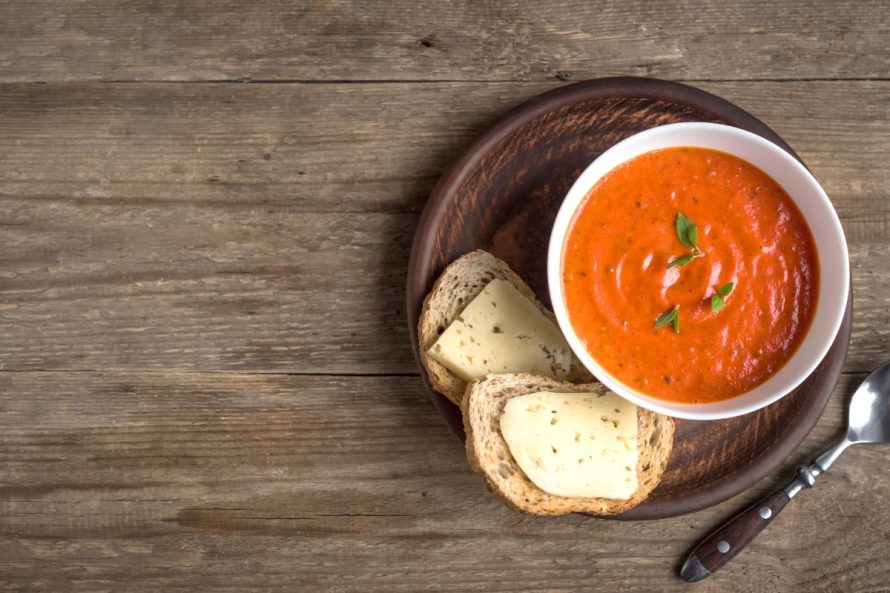
Some foods don’t just survive changing tastes — they outlast generations. These are the American brands that were already on shelves long before supermarkets looked the way they do now. They’re familiar, comforting, and still doing exactly what they were created to do.
Hershey’s (1894)
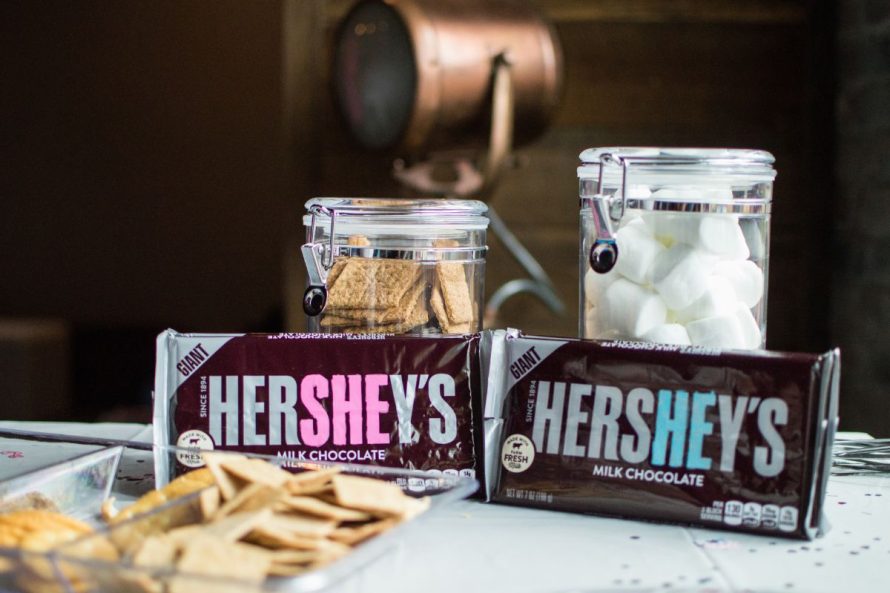
Hershey’s was founded in Pennsylvania in the 19th century, and its milk chocolate quickly became a national standard. More than a century later, that familiar brown wrapper still signals something uncomplicated and dependable.
Campbell’s (1869)
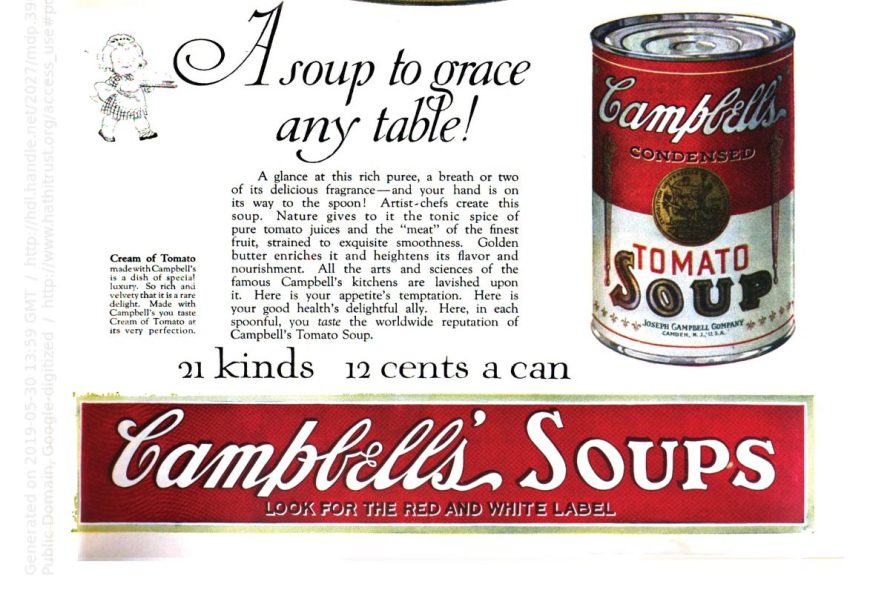
Campbell’s soup predates the telephone, yet the red-and-white can hasn’t changed much at all. It became a pantry staple because it solved a simple problem — warm food, ready when you need it.
Heinz (1869)

Heinz was already selling sauces when America was still expanding westward. Its ketchup became so dominant that many people stopped calling it ketchup and started calling it Heinz.
Quaker Oats (1877)
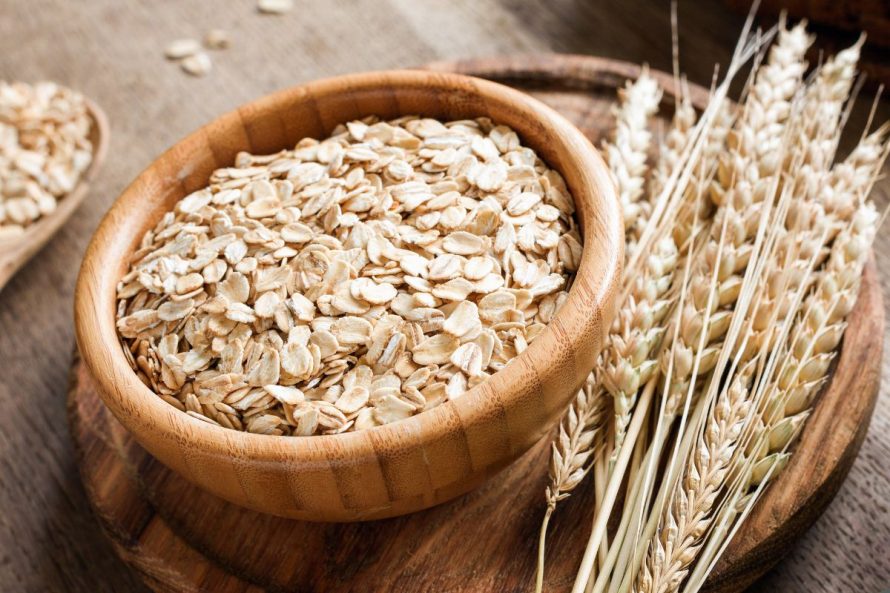
Quaker Oats built its reputation on reliability and routine. For generations, it has been the quiet constant of American breakfasts, largely unchanged in purpose or presentation.
Arm & Hammer (1846)
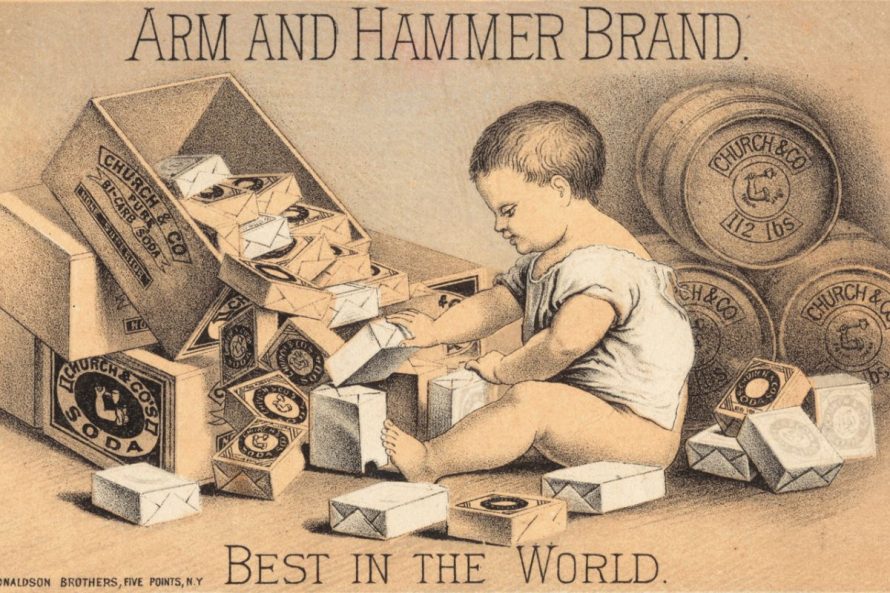
Arm & Hammer began selling baking soda before the Civil War. It’s one of the rare brands that shows up in kitchens, bathrooms, and laundry rooms — still trusted to just work.
Morton Salt (1848)
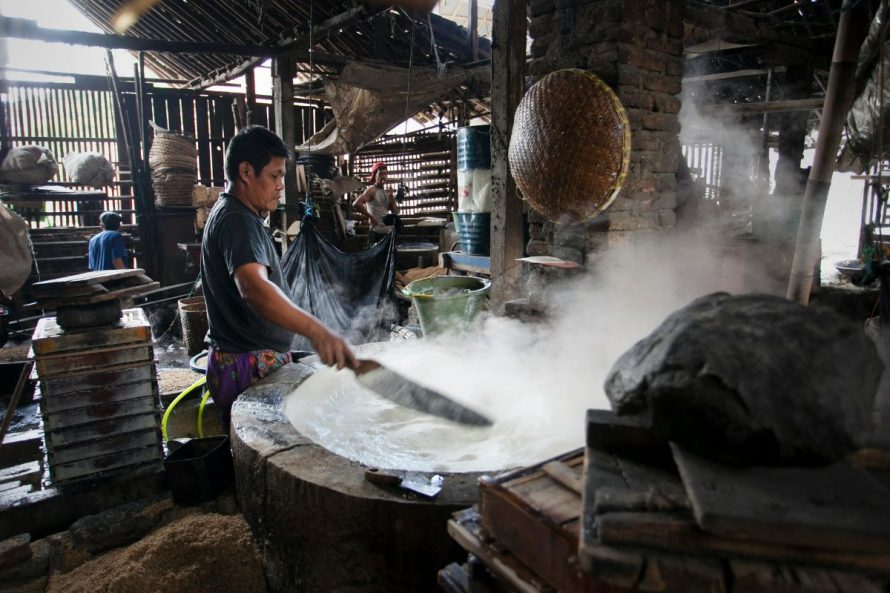
Morton Salt turned a basic necessity into an icon with its umbrella-holding girl. The packaging may evolve, but the product itself has stayed resolutely simple.
Tabasco (1868)
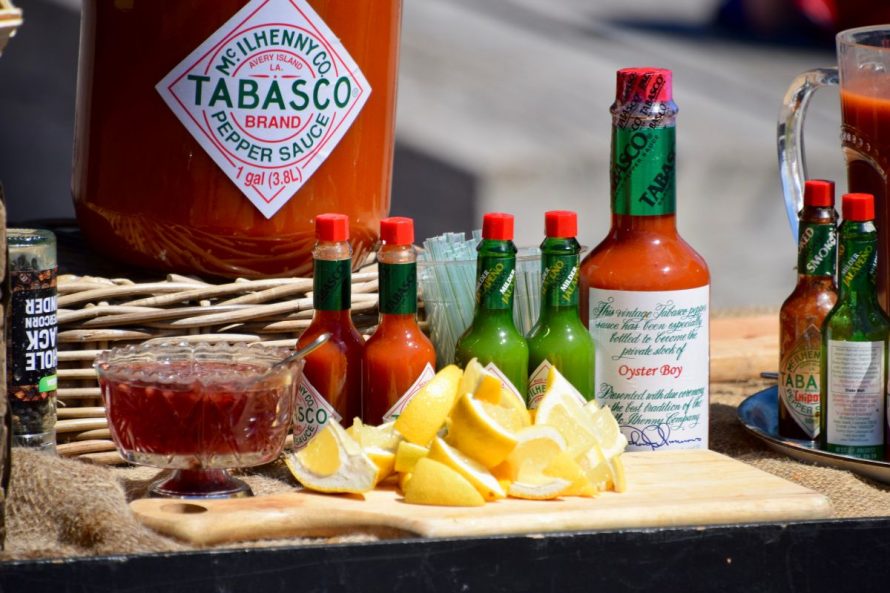
Tabasco has been made on Avery Island, Louisiana, for more than 150 years. Its recipe is famously minimal, and that consistency is exactly why it still belongs on tables everywhere.
Jell‑O (1897)

Jell-O became a household name by turning dessert into something playful and easy. Few foods are as instantly tied to mid-century American memory as those brightly colored molds.
Kellogg’s (1906)
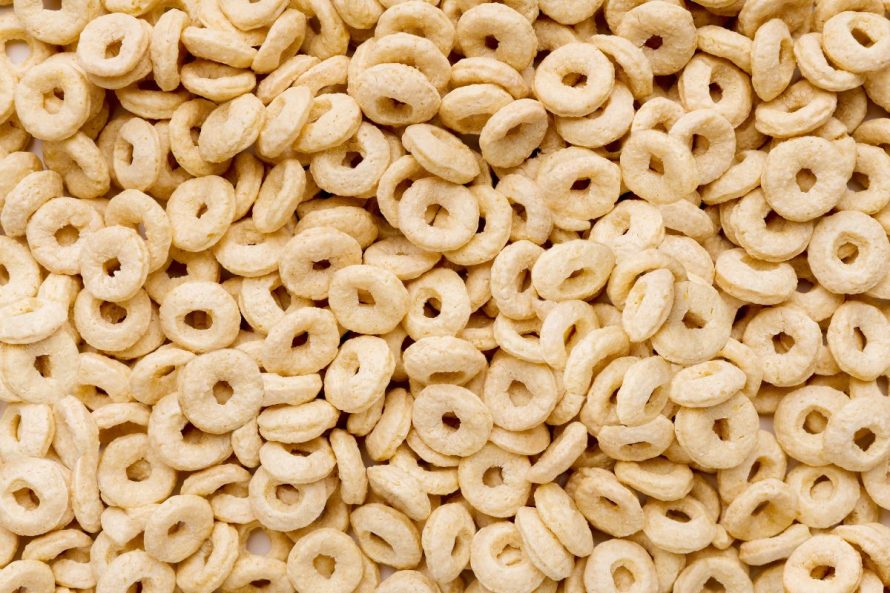
Kellogg’s helped define breakfast as we know it. Corn flakes may seem ordinary now, but they were once a radical idea that reshaped how Americans start the day.
Gold Medal Flour (1880)
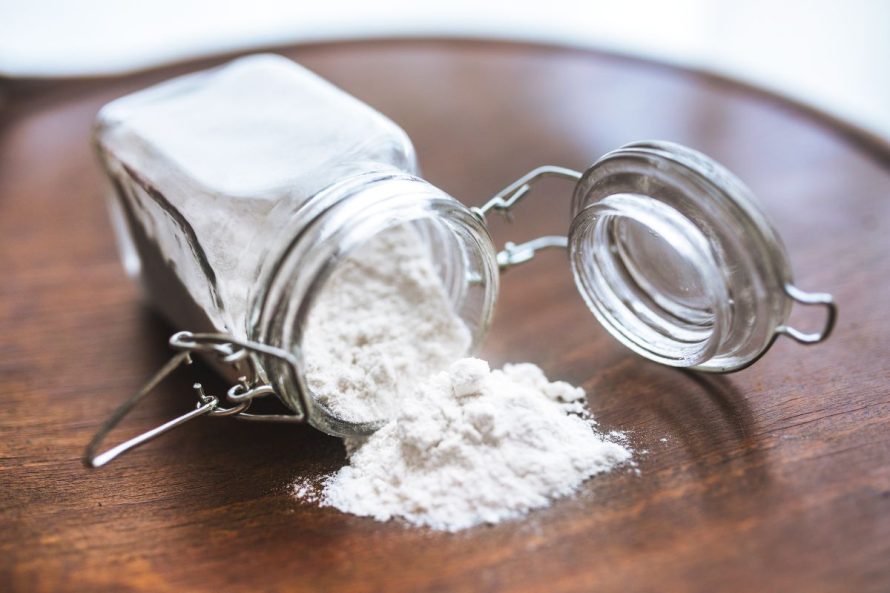
Gold Medal Flour built its name on baking consistency. For generations, home cooks reached for it because recipes worked when they used it — and that trust endured.
French’s (1904)
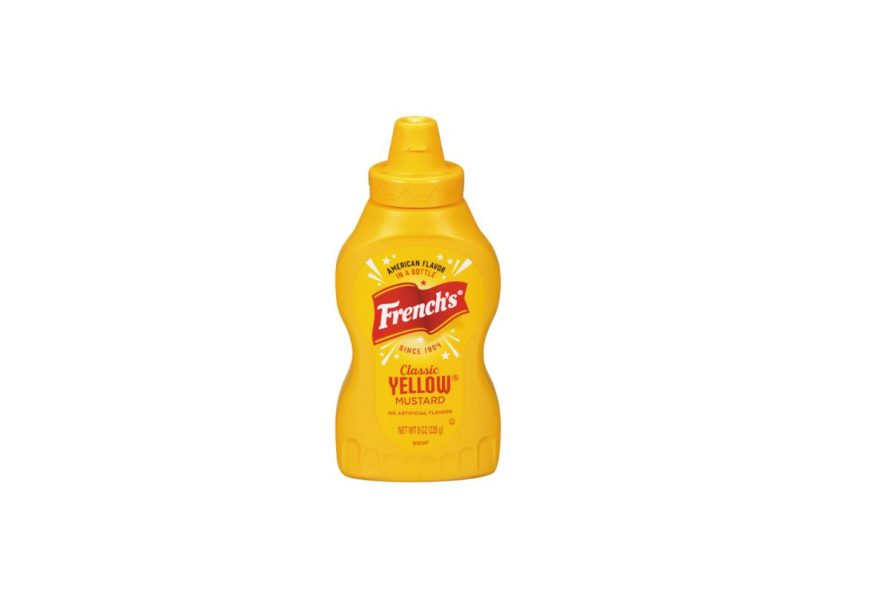
French’s mustard debuted at the St. Louis World’s Fair and never really left. Its bright yellow squeeze bottle became shorthand for hot dogs, ballparks, and summer cookouts.
Welch’s (1869)
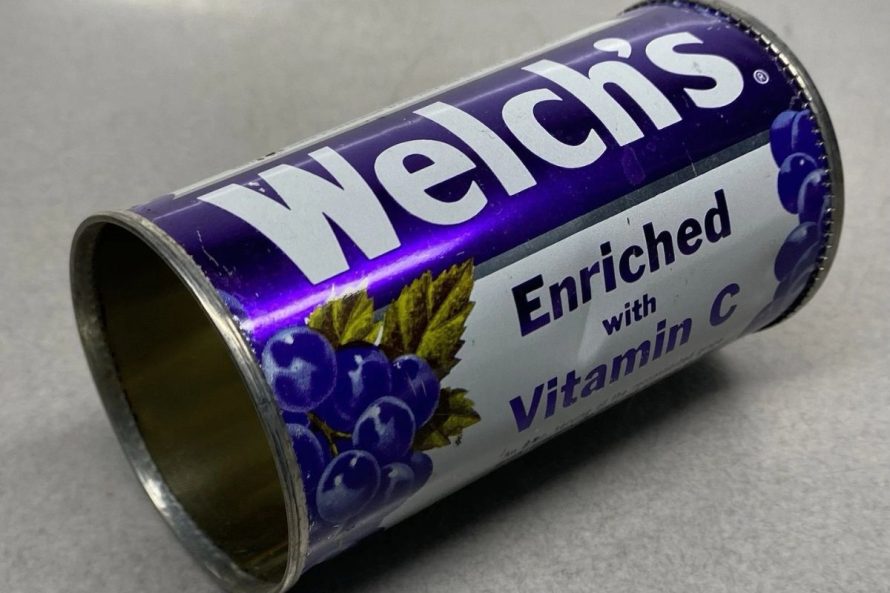
Welch’s started with grape juice and quickly became part of school lunches and family tables. Its flavor profile is so familiar that it feels almost timeless.
Domino Sugar (1900)
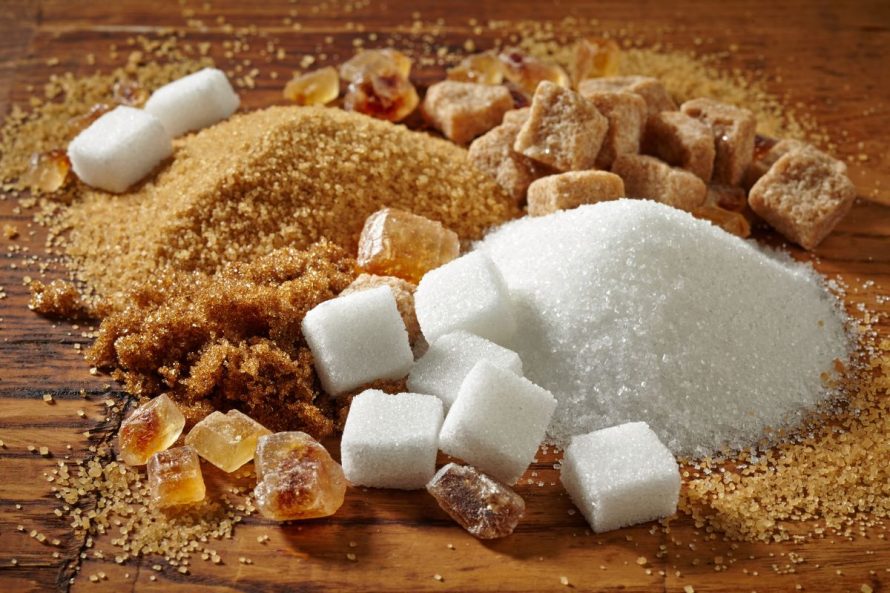
Domino Sugar helped industrialize sweetness in America. It’s one of those brands people recognize instantly, even if they rarely stop to think about how long it’s been around.
Lea & Perrins (1837)
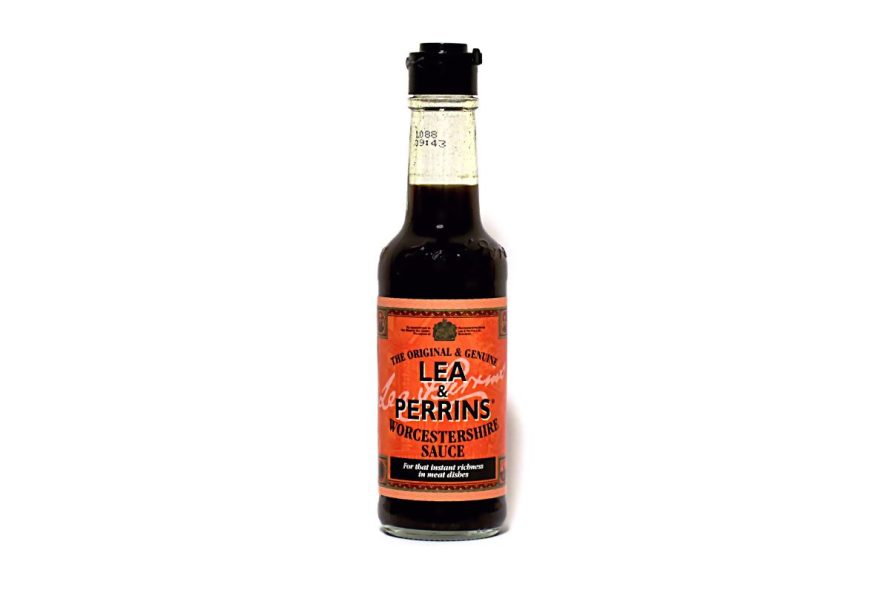
Lea & Perrins created a sauce so distinctive that no substitute ever quite worked. Though it originated abroad, it became deeply embedded in American kitchens over generations.
Nabisco (1898)
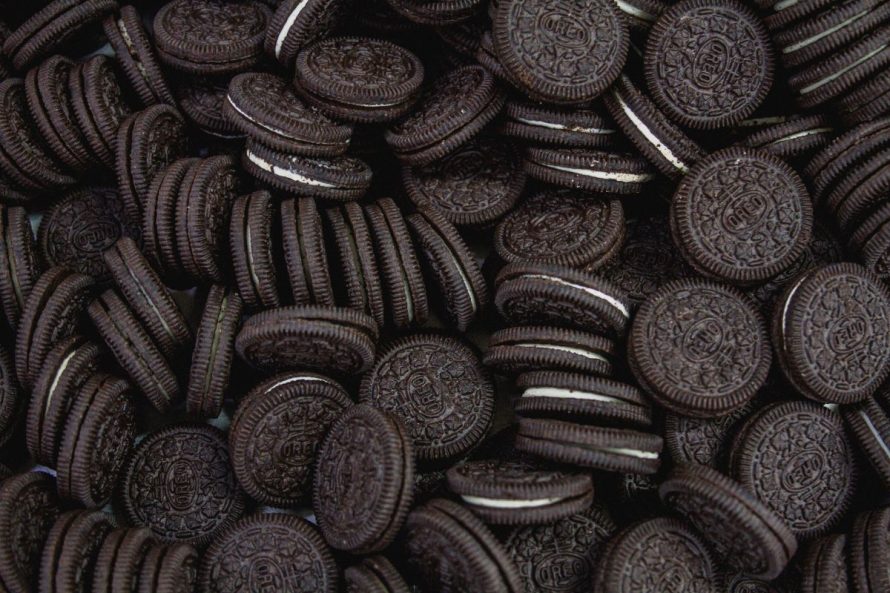
Nabisco helped standardize packaged snacks at a time when that idea was brand new. Crackers and cookies turned into everyday foods, not occasional treats.
Why these brands endure
None of these companies survived by chasing trends. They stayed because they were dependable, recognizable, and easy to trust — the same reasons people still reach for them today.
On days when nothing needs optimizing, sometimes the most comforting thing is realizing how little some things have changed.