
January has a way of sharpening everyday details. The noise of December fades, routines reappear, and small things stand out more than they did a few weeks ago. None of this is dramatic or intentional — it’s simply how the start of the year tends to feel once life slows back down.
These are some of the things people often notice more as January settles in, whether they expect to or not.
The Volume of Everyday Spaces

Restaurants, bars, and shops suddenly feel louder or quieter than they did during the holidays. Without the background buzz of celebrations, ambient noise becomes more noticeable. Conversations carry differently, and people seem more aware of their surroundings.
How Early Evenings Begin
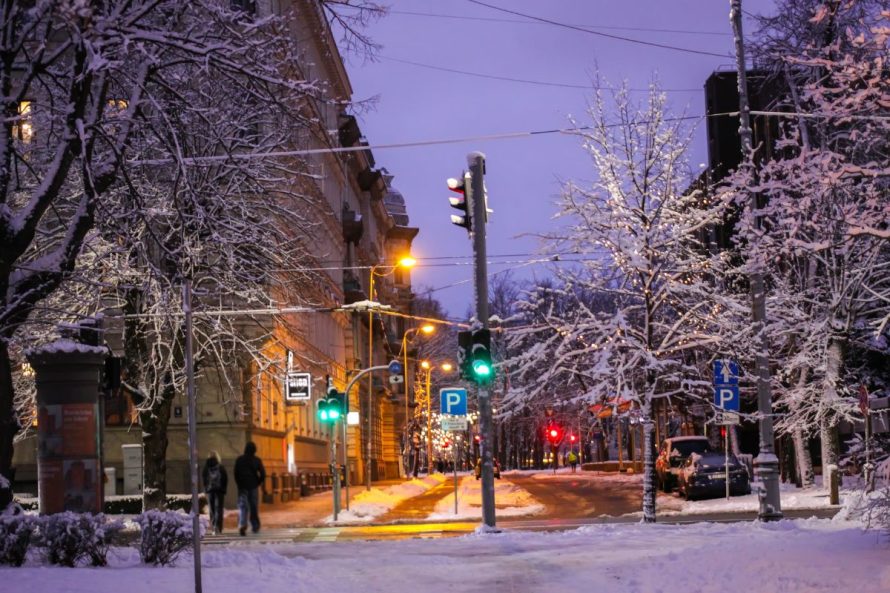
Darkness arrives early, but in January it feels more deliberate. People notice when evenings start earlier than expected, especially after the overstimulation of late holiday nights. Plans tend to feel shorter, and time feels more segmented.
The Pace of Social Invitations

Invites still happen, but they come with more pauses. People take longer to respond, hesitate before committing, or suggest future dates instead of immediate ones. The shift isn’t rejection — it’s recalibration.
Small Interruptions Feel Bigger

Places that were packed in December suddenly have breathing room. Empty stools at bars or open tables stand out more because the contrast is so sharp. The absence feels noticeable even when nothing is wrong.
How Often People Check the Clock

Time awareness increases in January. Without holiday schedules blurring days together, people notice how often they glance at the clock, especially in the evenings. Minutes feel more counted than consumed.
The Weight of Routine Returning

Workdays, errands, and regular obligations regain structure. People notice the return of predictable rhythms — commuting times, meal patterns, and familiar weekly beats. The repetition feels clearer than it did during the holidays.
Small Interruptions Feel Bigger

Moments without music, conversation, or background noise feel longer. Silence becomes more present in homes, bars, and public spaces alike. It’s not uncomfortable — just noticeable.
Spending Decisions, Even Small Ones

People tend to pause more before ordering or purchasing. Even routine choices feel slightly more deliberate. It’s not restraint so much as awareness returning after weeks of indulgence.
The Gap Between Plans and Energy

There’s often a mismatch between what people think they want to do and what they feel like doing. January makes that gap more visible. The noticing itself is the point.
Familiar Places Feeling Slightly Different
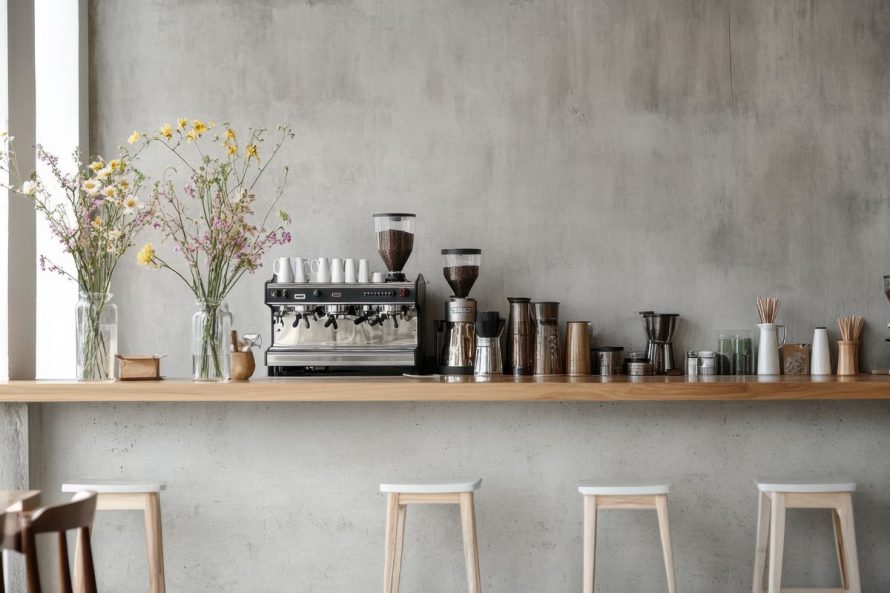
Places people know well can feel subtly changed in January. The lighting, the crowd, the mood — nothing is objectively different, but perception shifts. It’s the same setting seen without holiday distortion.
A Quiet Start, Not a Statement
January doesn’t demand reinvention. It simply reveals things that were easy to overlook before. Noticing them isn’t a resolution — it’s just part of easing back into the year.